
At MedCare Clinics, we understand that eczema is a crucial aspect of overall skin health, requiring expert guidance and compassionate support. Our Eczema Care services are designed to provide patients with the resources and attention they need to effectively manage and treat eczema. We offer a comprehensive range of services, starting with initial skin assessments, diagnostic testing, and eczema screenings to determine the best course of treatment. We provide personalized skincare plans, which may include topical treatments, medications, and lifestyle recommendations to help alleviate symptoms and prevent flare-ups. Our team is committed to offering ongoing support and monitoring, ensuring that you achieve healthier, more comfortable skin with a treatment approach tailored to your specific needs.
Find Clinic Near YouWe understand that eczema can have a profound impact on your skin health and confidence. Walk in or schedule a visit at MedCare Clinics for a comprehensive eczema assessment, skin screenings, and a personalized care plan to help you manage your condition effectively. Our healthcare providers are here to support you in managing eczema and empower you to feel confident and comfortable in your skin.
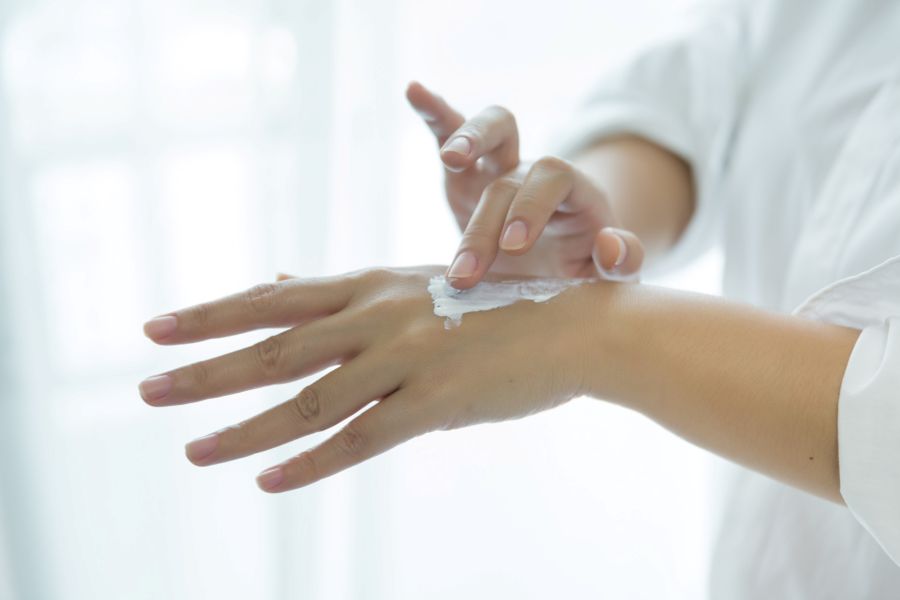
To get the most out of your visit, here are a few steps you can take to prepare:
Bring Your Skincare History:
Share any previous treatments, dermatologist notes, or products you've used for eczema. This helps us understand what has or hasn't worked for your skin in the past and allows us to create a more effective treatment plan.
Track Your Symptoms and Flare-Ups:
Keep a record of your eczema flare-ups, including where they occur, how often they happen, and if there are any specific triggers (such as certain fabrics, environmental changes, or stress). Identifying these patterns can help us find the best approach for managing your eczema.
List Current Skincare Products:
Bring a list of all the products, both prescription and over-the-counter, that you're currently using on your skin. This ensures we can avoid any potential interactions and recommend the best treatments for your condition.
Note Any Lifestyle Factors:
Lifestyle factors, like stress, diet, sleep, or even weather changes, can significantly affect eczema. Take note of any patterns you've observed, as these could be contributing to flare-ups or skin irritation.
Prepare Questions:
If you have questions about eczema treatments, skin care routines, or managing flare-ups, jot them down before your visit. We're here to address any concerns you may have and offer guidance for long-term skin health.
Bring Photos of Your Skin:
If you can, take photos of your eczema flare-ups over time. This can help us better understand the progression of your condition and assist in making more accurate recommendations for treatment.
Prepare for Follow-Up Care:
Eczema management often requires ongoing care and adjustments. Think about how much time you're able to commit to your treatment plan and be prepared to discuss any potential follow-up visits or check-ins for progress.
At MedCare Clinics, we're committed to providing comprehensive eczema care to help you manage your condition and achieve healthier, more comfortable skin. Our healthcare providers will work closely with you to develop a personalized treatment plan that meets your unique needs. We begin with a thorough assessment to understand the triggers of your eczema, whether they're environmental, lifestyle-related, or linked to other health factors. We offer effective treatment options for various types and severity of eczema, from topical creams and prescription medications to advanced skincare procedures, ensuring your skin receives the best care possible. In addition to medical treatments, our team provides guidance on proper skincare routines, lifestyle adjustments, and dietary recommendations to help reduce flare-ups and support long-term skin health. For those with persistent or severe eczema, we closely monitor your progress, make necessary adjustments to your treatment plan, and support you in managing symptoms and preventing flare-ups.
If you answer YES to any of these questions, it's time to seek professional eczema care:
Do cleanse your skin gently!
Use a mild, fragrance-free cleanser that suits your skin type to remove dirt and impurities without irritating or drying out your skin. Avoid harsh scrubbing, which can make eczema worse.
Do follow a consistent skincare routine!
Establish a daily routine that includes gentle cleansing, moisturizing, and using prescribed treatments. Consistency helps manage eczema flare-ups and keeps your skin hydrated.
Do moisturize regularly!
Keep your skin hydrated by applying a rich, fragrance-free moisturizer several times a day, especially after bathing, to lock in moisture and prevent dry patches.
Do wear soft, breathable fabrics!
Choose clothing made of natural fibers like cotton, and avoid irritating fabrics like wool or synthetic materials that can aggravate eczema.
Do manage stress!
Stress can trigger eczema flare-ups, so finding ways to manage stress through relaxation techniques, hobbies, or exercise is key to keeping your skin calm.
Don't scratch or rub affected areas!
Scratching can exacerbate inflammation, lead to infection, and worsen flare-ups. Try using soothing creams or cold compresses to relieve itching instead.
Don't use irritating products!
Avoid skincare products with alcohol, fragrances, or harsh chemicals, as they can irritate eczema-prone skin and trigger flare-ups. Stick to soothing, hypoallergenic products.
Don't ignore your triggers!
Eczema flare-ups can be triggered by allergens, harsh weather, stress, or certain fabrics. Keep track of your triggers and take steps to avoid them whenever possible.
Don't skip sunscreen!
Protect your skin from UV rays with a broad-spectrum, non-comedogenic sunscreen. Sun exposure can irritate eczema and worsen flare-ups.
Don't neglect professional care!
If your eczema isn't improving or becomes severe, don't hesitate to consult a dermatologist. They can recommend stronger treatments or prescribe medications to better manage your condition.
Eczema is often caused by a combination of genetic and environmental factors. It can be triggered by allergens, irritants, stress, changes in weather, or even certain foods. A weakened skin barrier also makes it easier for irritants and allergens to affect the skin.
To prevent flare-ups, it's important to identify and avoid triggers, maintain a consistent skincare routine, moisturize regularly, and manage stress. Wearing soft, breathable fabrics and avoiding harsh chemicals or fragrances in skincare products can also help.
Treatments vary depending on the severity of eczema. Common options include topical corticosteroids, antihistamines, and moisturizers. For more severe cases, your dermatologist may recommend prescription treatments, phototherapy, or other medications to reduce inflammation and prevent flare-ups.
Currently, there is no cure for eczema, but it can be managed effectively with the right treatment plan. Consistent care and proper management can help minimize flare-ups and improve the overall condition of your skin.
No, eczema is not contagious. It is a chronic condition that results from an overactive immune response and is not spread through contact with others.