
Geriatric Care Services at MedCare Clinics

Geriatric Care

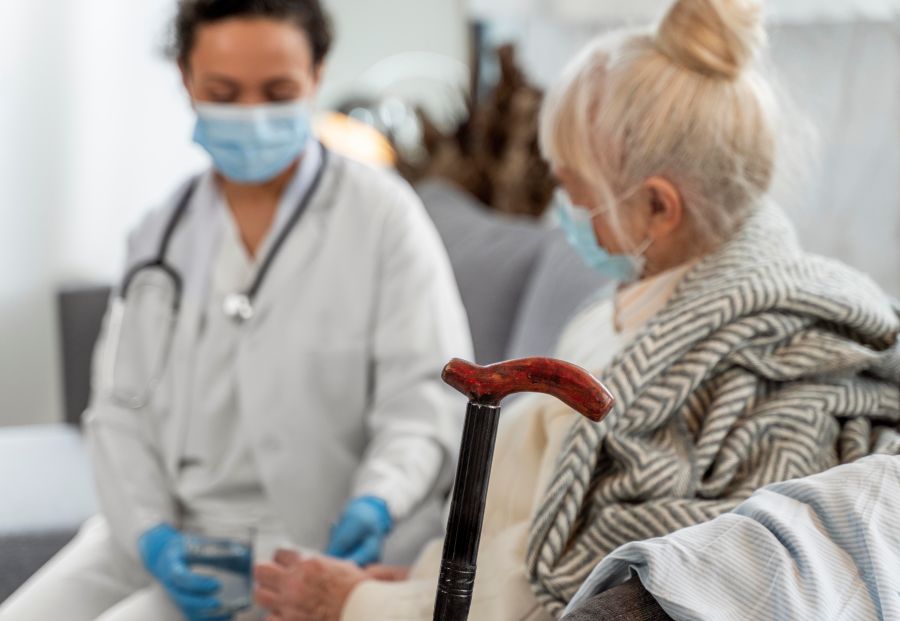
At MedCare Clinics, we understand that quality care for older adults is essential to maintaining overall well-being. Our Geriatric Care services are designed to support seniors with the compassionate, expert guidance they deserve. We offer a comprehensive approach that includes thorough evaluations, diagnostic assessments, and personalized care plans to address the unique needs of each individual. Whether managing chronic conditions, improving mobility, or enhancing mental and emotional health, our team works closely with you to create a tailored treatment plan. From medication management and physical therapy to lifestyle adjustments and preventive strategies, we're committed to helping seniors maintain their independence, comfort, and quality of life. Our ongoing support ensures that your loved one receives the best care possible, promoting long-term health and happiness.

Find Clinic Near You
Walk-in or Schedule a Visit At
MedCare Clinics

We understand that aging can bring unique health challenges that significantly affect overall well-being and quality of life. Walk in or schedule a visit at MedCare Clinics for a comprehensive geriatric assessment, health screenings, and a personalized care plan to ensure you or your loved one is taking the right steps toward healthy aging. Our expert team is here to guide you in managing age-related health concerns and empowering seniors to live confidently and independently.

Geriatric care assessment and treatment services

How to Prepare for Your Visit

To get the most out of your visit, here are a few steps you can take to prepare:

How Can MedCare Clinics Help?

At MedCare Clinics, we are dedicated to providing exceptional geriatric care to ensure that older adults can live healthy, fulfilling lives. Our healthcare providers work with you and your loved ones to develop personalized care plans tailored to meet the unique needs of each individual. We begin with comprehensive assessments to understand the full scope of health concerns, including chronic conditions, mobility issues, cognitive health, and mental well-being. From there, we offer a wide range of treatments and therapies, such as medication management, physical therapy, and lifestyle modifications, to address specific health needs and improve overall quality of life. Our team also focuses on preventive care, helping manage common age-related concerns like diabetes, heart disease, osteoporosis, and dementia. We provide guidance on managing daily activities, maintaining independence, and promoting emotional well-being, so seniors can continue to live comfortably and confidently. For patients with complex or multiple health conditions, we closely monitor progress and adjust treatments as needed.

If you answer YES to any of these questions, it's time to seek professional geriatric care:

Find a Clinic Near You

Geriatric Care
Do's and Don'ts

Do's

  • Do keep track of health changes and symptoms!

    Tracking changes in physical health, mobility, cognition, and emotional well-being is important for understanding how aging affects overall health. Keeping a record will help your healthcare provider create the best care plan.

  • Do prioritize mental and emotional well-being!

    Mental health is just as important as physical health in geriatrics. Encourage activities that promote mental well-being, such as social interaction, hobbies, or counseling. Isolation and depression are common issues among older adults and should be addressed.

  • Do ensure regular check-ups!

    Regular visits to healthcare providers can help monitor chronic conditions, adjust treatments, and catch any emerging health concerns early. This helps to maintain better long-term health and prevent complications.

  • Do maintain social connections!

    Socializing with friends, family, and community can greatly improve emotional well-being. Isolation can lead to depression and cognitive decline, so help your loved one stay engaged with others as much as possible.

Don'ts

  • Don't overlook prescribed medications!

    If your loved one is on medication for any chronic condition (e.g., heart disease, diabetes, or arthritis), it's essential to take the medication as directed. Skipping doses or adjusting the dosage without consulting a doctor can lead to complications.

  • Don't ignore falls or mobility issues!

    Falls are a serious concern for older adults. If mobility becomes a challenge or there's a history of falls, ensure safety measures are in place (like handrails and non-slip mats) and seek guidance from a healthcare professional for appropriate exercises and interventions.

  • Don't skip physical therapy or rehabilitation!

    Physical therapy can help maintain strength, balance, and mobility. Encourage consistency with any prescribed physical therapy programs, as they can significantly improve quality of life and prevent further decline.

  • Don't disregard medication side effects!

    Some medications may have side effects that impact quality of life, such as dizziness, fatigue, or confusion. If your loved one experiences new or worsening symptoms, speak with a healthcare provider about potential adjustments.

  • Don't wait to seek professional help for complex care needs!

    As care needs evolve, it's important to seek professional help when managing complex health conditions, such as dementia, chronic pain, or multiple health issues. Early intervention ensures better outcomes and reduces the risk of further complications.

Frequently Asked Questions

Geriatric care focuses on the unique healthcare needs of older adults. It addresses a range of health issues that often come with aging, such as chronic diseases, mobility issues, cognitive decline, and emotional well-being. It's important because it ensures that seniors receive the specialized care and support they need to maintain their independence, health, and quality of life.

Signs that your loved one may need geriatric care include difficulty managing daily activities (e.g., dressing, eating, bathing), worsening chronic conditions, frequent falls, cognitive changes, or emotional distress. If any of these issues are present, it's a good idea to seek professional geriatric care to ensure their health and safety.

Geriatric care includes a wide range of treatments, such as medication management, physical therapy, occupational therapy, cognitive assessments, and emotional health support. It may also involve dietary guidance, home safety evaluations, and assistance with activities of daily living (ADLs), depending on the individual's needs.

Encourage activities that promote physical, mental, and emotional health, such as regular exercise, socializing with friends or family, pursuing hobbies, or participating in community events. Engaging in activities they enjoy can improve mood, boost cognitive function, and enhance overall well-being.

Yes, geriatric care can be provided in a home setting. Home health services, such as in-home nursing, physical therapy, or occupational therapy, can help support your loved one's health and independence. In some cases, modifications to the home environment (e.g., grab bars, ramps) can be made to enhance safety. It's essential to work with healthcare professionals to determine the right approach for home-based care.