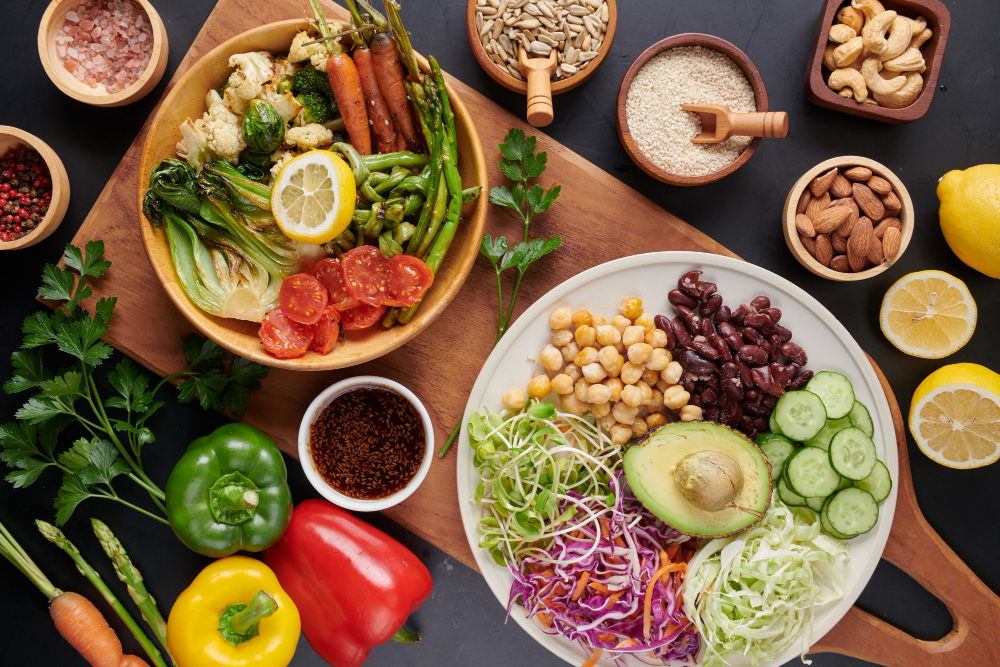
Fibre is having a moment online. The “fibremaxxing” trend encourages people to add fibre-rich foods to meals, and it has started a useful conversation about a nutrient many people may not get enough of. But fibre is not a challenge to see how much you can eat in one sitting. A steady, balanced approach is more practical—and often more comfortable.
What is dietary fibre?
Dietary fibre is found in plant foods and is not fully digested by the body. It supports bowel regularity and may help lower blood cholesterol and keep you feeling full longer. Fibre is commonly described as soluble or insoluble, and many foods contain a mix of both.
You can find fibre in foods such as vegetables and fruit, beans and lentils, nuts and seeds, oats, and whole grains. Health Canada’s guide to fibre has more examples and tips for comparing fibre on food labels.
How much fibre do adults need?
Fibre needs vary by age and life stage. As a general guide, adults aged 19 to 50 are recommended about 25 grams per day for women and 38 grams for men. For adults over 50, the recommendations are 21 grams for women and 30 grams for men. Pregnancy and breastfeeding also change needs. These are general targets, not a personal prescription.
Health Canada reports that many Canadians consume about half the recommended amount. That makes the trend’s focus on fibre-rich foods a helpful prompt—but the goal is to build a varied eating pattern over time, not to hit an extreme number in one meal.
A gentle way to add more fibre
Small additions can make a difference. Try topping oatmeal with berries, adding beans or lentils to soup, choosing whole-grain bread or pasta, or having fruit and a handful of nuts for a snack. Check the Nutrition Facts table on packaged foods: Health Canada considers 15% Daily Value or more a lot of a nutrient per serving.
If you are increasing your fibre intake, do it gradually and drink enough fluids. Adding a large amount all at once can cause gas, bloating, cramping, or other discomfort. HealthLink BC’s fibre and your health guide offers practical ways to increase fibre comfortably.
Is more always better?
No. Social media can make very high fibre targets sound like a goal everyone should pursue, but individual needs and tolerance differ. A number that works for one person may not work for another, and more fibre is not automatically better for everyone.
People with irritable bowel syndrome (IBS) or inflammatory bowel disease (IBD), including Crohn’s disease and ulcerative colitis, may need advice tailored to their symptoms and health. Some may benefit from specific types of fibre, while others may need to adjust their intake with guidance from a healthcare professional. The Canadian Digestive Health Foundation’s information on fibre and IBS explains why a personalized approach matters.
If constipation is the reason you are increasing fibre, avoid making a sudden jump. Gradual changes and adequate fluids may be easier on your digestive system. If symptoms persist or you have a digestive condition, speak with your healthcare provider before making major changes.
Make fibre work for you
Fibremaxxing can be a useful reminder to include more plant foods in everyday meals, as long as it does not become a race to eat as much as possible. Start with small, manageable changes and pay attention to how your body responds.
For personalized support, MedCare Clinics offers diet and nutrition counselling with a registered dietitian. Ask your clinic how to book an appointment.
The information provided in this blog is intended for educational and informational purposes only. It is not intended as a substitute for professional medical advice, diagnosis, or treatment. Always seek the advice of your physician or other qualified healthcare provider with any questions you may have regarding a medical condition or treatment.
The views and opinions expressed in this blog are those of the author(s) and do not necessarily reflect the official policy or position of any other agency, organization, employer, or company. The author(s) are not medical professionals, and the content of this blog should not be interpreted as medical advice.
The effectiveness of any treatments or procedures discussed in this blog may vary from person to person and should be determined in consultation with a qualified medical professional. Any reliance you place on the information provided in this blog is done at your own risk.
The inclusion of any product or service in this blog does not imply endorsement. The author(s) are not responsible for any errors or omissions in the content of this blog or for any damages arising from the use of the information provided herein.
By reading this blog, you agree to release, indemnify, and hold harmless the author(s) from any and all claims, damages, or liabilities arising from your use of or reliance on the information presented herein.