At MedCare Clinics, we understand that warts can be bothersome, unsightly, and sometimes even painful. Our wart removal services are designed to provide safe, effective treatment using liquid nitrogen, a trusted method for eliminating warts. With expert guidance and compassionate care, our team helps patients achieve clearer, healthier skin. We begin with a thorough skin assessment to confirm the diagnosis and recommend the best treatment option. Our personalized approach ensures that each patient receives the right care, whether for common warts, plantar warts, or stubborn recurrences. At MedCare Clinics, we're committed to helping you regain comfort and confidence with effective wart removal tailored to your needs.
Find Clinic Near YouWe understand that warts can be frustrating and affect both your comfort and confidence. Walk in or schedule a visit at MedCare Clinics for a thorough wart assessment, treatment options, and a personalized care plan to help you restore healthy, clear skin. Our expert team is here to guide you through effective wart removal and support you in feeling confident in your skin again.
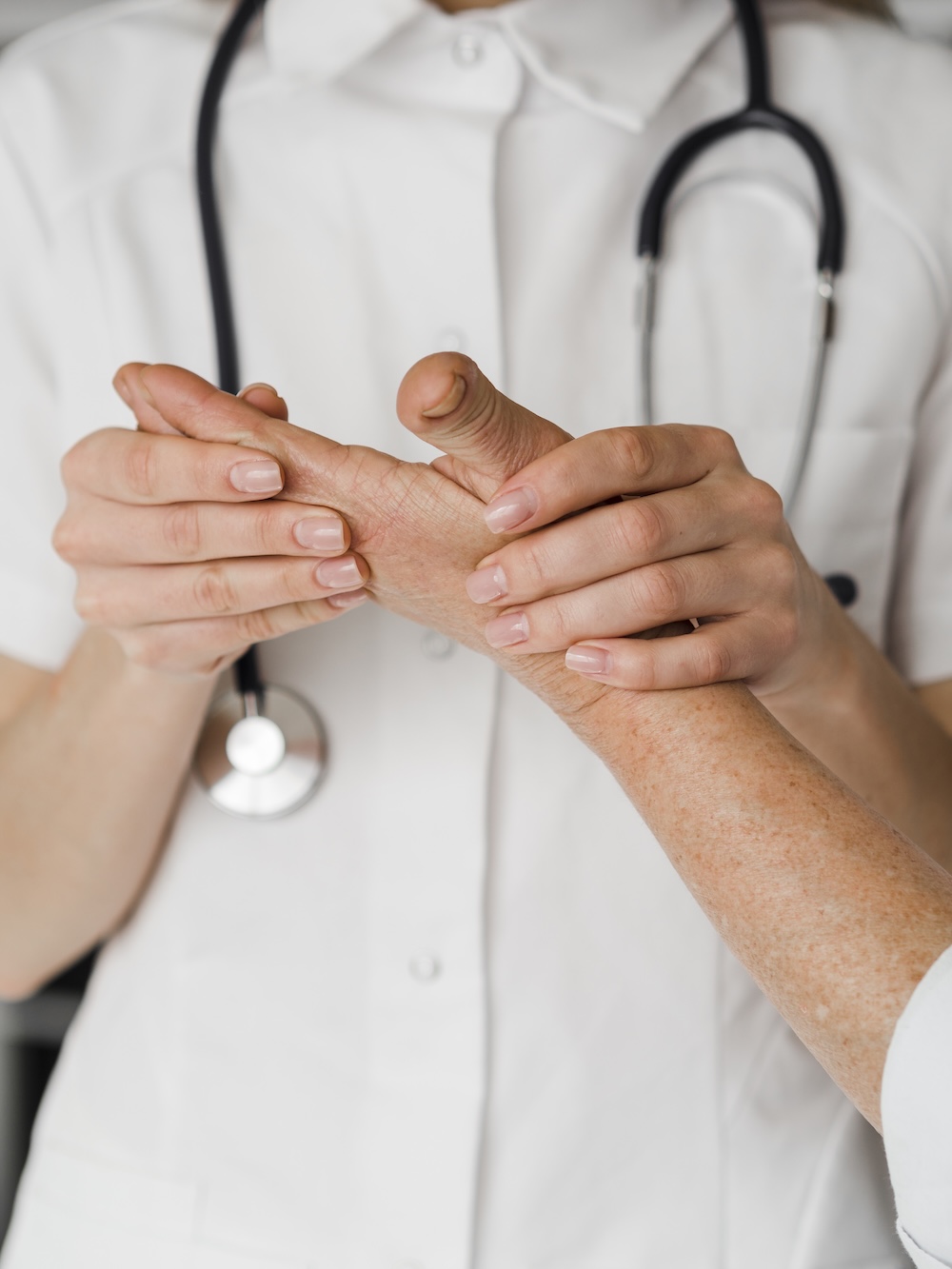
To get the most out of your visit, here are a few steps you can take to prepare:
Provide Your Skin History:
Share any past treatments, notes, or over-the-counter remedies you've tried.
Track Symptoms:
Note how long you've had the wart, whether it's growing, and if it causes pain or spreads.
List Current Products & Medications:
Bring a list of anything you're using so we can avoid potential conflicts.
Dress Appropriately:
If your wart is on your foot or hand, wear clothing and footwear that makes it easy to access.
Prepare Questions:
Write down concerns about treatment, aftercare, or recurrence so we can address them fully.
At MedCare Clinics, we're dedicated to providing comprehensive wart removal services to help you restore healthy skin and improve your confidence. Our healthcare providers work with you to create a personalized treatment plan that targets the type of wart you have and addresses your specific needs. We offer thorough assessments to confirm the diagnosis, identify potential causes such as viral exposure or weakened immunity, and recommend the safest and most effective course of treatment. Our primary approach, cryotherapy with liquid nitrogen, is a proven method for freezing and destroying wart tissue quickly and safely. In addition, we provide guidance on aftercare, lifestyle practices, and hygiene habits that help prevent the spread of warts or recurrence. For those with stubborn or multiple warts, we monitor progress closely, adjust treatment as necessary, and provide continued support to ensure long-term results. At MedCare Clinics, we're here to guide you toward smoother, healthier skin with professional care and expert advice every step of the way.
If you answer YES to any of these questions, it's time to seek professional care:
Do keep the treated area clean and dry!
Gently wash the skin around the wart with mild soap and water, then pat dry. Proper hygiene supports healing and reduces the chance of infection after cryotherapy.
Do follow your provider's aftercare instructions!
Apply any recommended ointments or dressings as directed. Following professional guidance ensures faster recovery and minimizes discomfort.
Do use protective padding if needed!
If the wart was on your foot, wearing cushioned pads or soft socks can reduce pressure, protect the area, and keep you comfortable during recovery.
Do monitor the healing process!
Watch for changes such as blistering, scabbing, or tenderness, these are normal signs of recovery. Contact your provider if you notice unusual pain, spreading, or signs of infection.
Do maintain good hygiene and healthy habits!
Wash your hands regularly, wear clean socks, and keep your skin moisturized to lower the chance of new warts developing.
Don't pick or scratch the wart!
Touching or peeling the treated area can cause infection, delay healing, and even spread the virus to other parts of your body or to others.
Don't cover the area with tight or non-breathable materials!
Allow the treated skin to breathe unless your provider has advised covering it with a bandage. Trapping moisture can slow healing.
Don't share personal items!
Avoid sharing towels, socks, shoes, or razors with others, as the virus that causes warts (HPV) can spread easily through contact.
Don't skip follow-up visits!
Some warts require multiple cryotherapy treatments. Attending follow-ups helps ensure the wart is fully treated and reduces the risk of recurrence.
Don't ignore spreading or recurring warts!
If you notice new growths or persistent warts, don't delay seeking care. Early treatment prevents complications and helps you stay on top of your skin health.
Warts are caused by the human papillomavirus (HPV), which enters the skin through tiny cuts or abrasions. The virus triggers rapid cell growth, creating the raised bumps known as warts. They are contagious and can spread through direct contact or shared items.
Liquid nitrogen freezes the wart tissue at extremely low temperatures, destroying abnormal cells. This process also stimulates your immune system to fight the virus. After treatment, the wart usually falls off within days or weeks.
During treatment, you may feel a brief stinging or burning sensation as the liquid nitrogen is applied. Afterward, the area may be sore, red, or blistered for a short period. Most patients find the discomfort mild and manageable.
Some warts resolve after a single session, while more stubborn ones may need several treatments spaced a few weeks apart. The number of sessions depends on the size, location, and type of wart. Our provider will recommend the best plan for you.
Yes, since the virus that causes warts can remain in the skin, they may recur. Following aftercare instructions and practicing good hygiene lowers the risk of recurrence. If warts do return, additional treatments are available.
Cryotherapy is generally safe and effective for most people. However, our provider will review your medical history to ensure it's the right choice. In rare cases, an alternative treatment may be recommended.